
Agra: A Journey Through History and Architecture
🏛️ Agra – Best for History & Architecture Agra is world-famous for the Taj Mahal, one of the Seven Wonders of the World. Along with Agra Fort and Fatehpur Sikri, it’s perfect for travelers who love history and architecture. best places to visit in Agra, solo travel Agra, Taj Mahal travel guide
This article is written by Sumit Kumar, the founder of Travel Alone With Me, a platform dedicated to helping travelers explore the world confidently through solo travel guides, real experiences, and practical tips.
3/3/20268 min read
Introduction to Agra's Historical Significance
Agra, strategically located in northern India, has been a significant city throughout Indian history, particularly noted for its prominence during the Mughal Empire. As one of the three cities that form the Golden Triangle of Indian tourism, Agra attracts millions due to its rich heritage and remarkable architectural masterpieces. The city’s transformation can be traced through the influence of various dynasties, but it is primarily the Mughals who have left an indelible mark on its landscape, culture, and architectural prowess.
The city's historical journey began long before the Mughal era, with Agra emerging as a crucial political and cultural center under the rule of the Lodhi Dynasty in the 15th century. However, it was the Mughals, particularly emperors like Akbar, Jahangir, and Shah Jahan, who shaped Agra into a vibrant hub of art, architecture, and innovation. Akbar began the construction of the magnificent Agra Fort, while Shah Jahan’s legacy is immortalized in the iconic Taj Mahal, a UNESCO World Heritage Site that symbolizes love and grandeur.
Architecturally, Agra became a canvas for Mughal architecture, showcasing intricate designs, elaborate gardens, and monumental structures that blend Persian and Indian styles. The innovative use of red sandstone and white marble, coupled with impressive landscaping, exemplifies the innovative spirit of the era and has influenced architecture far beyond the region. Agra’s contribution to arts did not stop at structure; it served as a confluence of cultures, acting as a melting pot where ideas, art, and traditions merged, leading to an enriching cultural tapestry.
Thus, Agra stands not merely as a city but as a testament to India’s historic and architectural legacy, where each monument tells a story of a bygone era filled with splendor and creativity. Its significance extends beyond tourism, serving as a poignant reminder of India's rich heritage and the enduring influence of the Mughal Empire on contemporary culture.
Exploring the Taj Mahal: An Icon of Love and Artistry
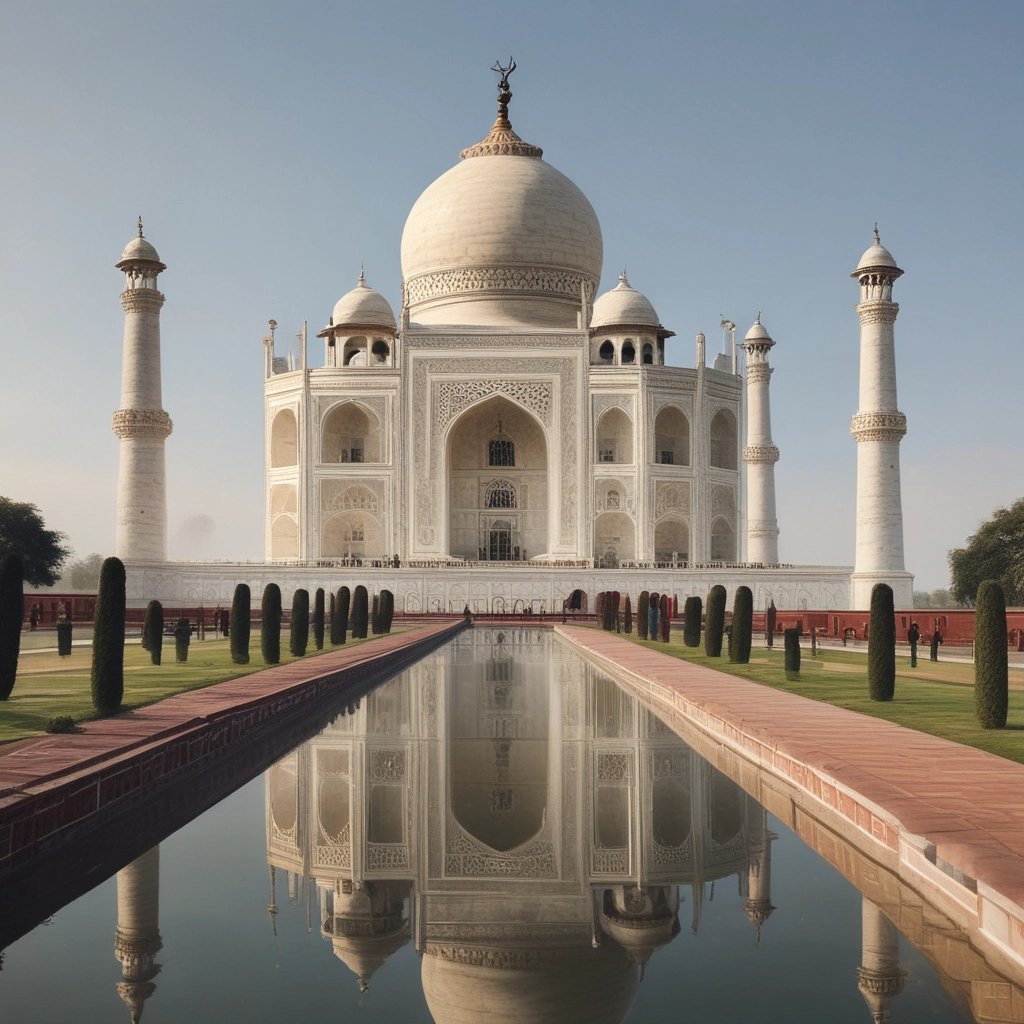
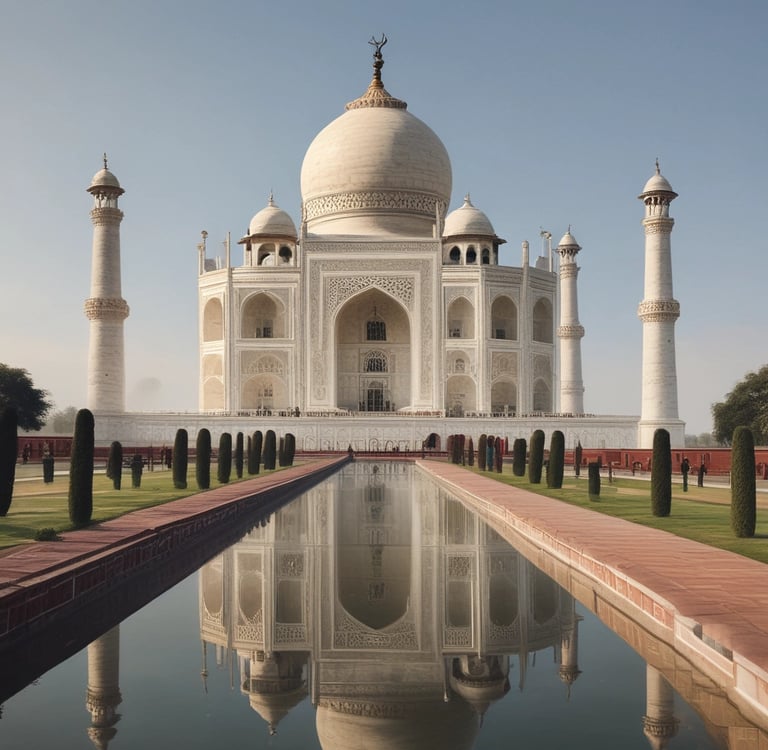
The Taj Mahal, an exquisite mausoleum located in Agra, India, stands as a testament to the cultural and architectural grandeur of the 17th century. Commissioned by the Mughal Emperor Shah Jahan in memory of his beloved wife, Mumtaz Mahal, this iconic structure is often hailed as one of the finest examples of Mughal architecture. Its harmonious blend of Islamic, Persian, Ottoman Turkish, and Indian architectural styles showcases the intricate artistry that defines this UNESCO World Heritage site.
Constructed from white marble, the Taj Mahal reflects different hues at various times of the day, creating a mesmerizing visual experience. The facade adorned with intricate carvings and inlaid precious stones is a sight to behold, drawing millions of visitors from around the globe. Rich in symbolism, it represents not only a profound love story but also the zenith of Mughal architectural innovation. The main dome rises majestically to a height of 73 meters, flanked by four minarets that add to its grandeur.
To fully appreciate the beauty of the Taj Mahal, the best times to visit are during early morning or late afternoon when the lighting enhances the marble’s luminosity. These hours also tend to be less crowded, allowing for a more contemplative experience. Visitors are advised to wear comfortable shoes, as exploring the expansive grounds requires substantial walking. Booking tickets in advance is also recommended to avoid long queues. Moreover, understanding the historical context and cultural significance of this architectural masterpiece can greatly enrich the visit.
In conclusion, the Taj Mahal remains an enduring symbol of love and artistry, making it an essential part of any journey through the historical landscapes of Agra. Its architectural brilliance and cultural significance continue to inspire awe and admiration, marking it as not just a monument, but a cherished part of human history.
The Grandeur of Agra Fort: A Symbol of Power
Agra Fort, a UNESCO World Heritage site, stands as a testament to the architectural brilliance and military prowess of the Mughal Empire. Constructed primarily in red sandstone during the reign of Emperor Akbar in the late 16th century, the fort is a magnificent example of Indo-Islamic architecture. Its imposing walls, which stretch approximately 2.5 kilometers, are complemented by intricate designs, grand structures, and a rich history that underscores its importance as a royal residence and military stronghold.
The fort’s layout and features reflect the strategic foresight of its designers. It served not just as a royal abode but also as a military bastion, protecting the Mughal throne from invasion. Among its notable structures are the Jahangiri Mahal, an exquisite palace designed for Emperor Jahangir’s wife; the Khas Mahal, which exemplifies luxury and elegance; and the Sheesh Mahal, known for its stunning glass-inlaid walls. Each of these buildings contributes to the narrative of Agra Fort as a place of power and prestige.
Accessibility to Agra Fort has been enhanced over the years, making it easier for visitors to explore its vast expanse. Open to the public, the fort is equipped with guided tours and information facilities that help in understanding its historical significance. For architecture enthusiasts and history buffs, the fort offers a glimpse into the grandeur of Mughal architecture, showcasing elements like high arched galleries and intricate carvings that define the era.
The significance of Agra Fort transcends its physical beauty; it embodies the legacy of an empire that shaped the Indian subcontinent and left an indelible mark on its cultural heritage. As a vital part of Agra’s historical narrative, the fort invites exploration and appreciation of its magnificent structures and architectural ingenuity, making it a must-visit for anyone interested in the rich history of the Mughals.
Fatehpur Sikri: The Abandoned Mughal Dream
Fatehpur Sikri, a city that once served as the capital of the Mughal Empire, stands today as a remarkable testament to the grandeur of Mughal architecture. Founded by Emperor Akbar in the late 16th century, this planned city was not only a political hub but also a place for spiritual and cultural synthesis, reflecting the diverse influences present in the empire at that time. It was designed to embody the virtues of loyalty, harmony, and respect, thereby creating a utopia that spelled the Mughal vision of governance.
The architectural composition of Fatehpur Sikri is a blend of Persian, Indian, and Islamic styles, showcasing intricate carvings, expansive courtyards, and monumental gateways. Among the must-see monuments are the Buland Darwaza, which stands as one of the tallest gateways in the world, and the Jama Masjid, an impressive mosque that highlights the Mughal love for grandeur. The Panch Mahal, a five-story palace, exhibits the delicate artistry of traditional Mughal architecture, offering panoramic views of the surrounding area. Each of these structures not only serves a functional purpose but also narrates tales from the past, making them essential stops for any visitor.
Despite its initial splendor, Fatehpur Sikri was abandoned after a mere 14 years. The reasons for its decline are often attributed to water scarcity and the empire's shifting political landscape. As the Mughal rulers moved back to Agra, Fatehpur Sikri was left to weather the ravages of time. Today, it is recognized as a UNESCO World Heritage Site, drawing attention for its historical significance and architectural beauty. The ruins offer valuable insights into Mughal society and remain a symbol of a bygone era, inviting tourists and historians alike to explore its rich tapestry.
Cultural Experiences and Local Attractions in Agra
While the Taj Mahal and Agra Fort are undoubtedly significant highlights of Agra, the city is rich in cultural experiences and local attractions that go beyond these iconic landmarks. Travelers can delve into Agra's vibrant local life by visiting bustling markets, savoring authentic cuisine, and participating in traditional festivals that reflect the area’s rich heritage.
The local cuisine in Agra is a feast for the senses, with Mughlai dishes being a prominent feature. Tourists can enjoy mouth-watering kebabs, biryanis, and the famous Agra petha, a sweet made from ash gourd. Dining at local eateries not only allows visitors to taste authentic flavors but also provides an opportunity to engage with the community, enhancing their understanding of Agra's culinary traditions.
Beyond food, the city's bazaars offer a mesmerizing shopping experience. Markets such as Sadar Bazaar and Kinari Bazaar are filled with shops selling handcrafted goods, textiles, and traditional jewelry. Walking through these markets can offer a glimpse into the daily lives of the local population, giving tourists a chance to interact with artisans and shopkeepers. Bargaining is customary here, enabling visitors to acquire unique souvenirs while enjoying the bustling atmosphere.
Festivals in Agra, such as Diwali, Holi, and Eid, showcase the city's cultural diversity. Participating in these celebrations provides a unique chance to witness local customs and traditions. Festivals often feature colorful decorations, music, dancing, and delicious food, allowing travelers to fully immerse themselves in the community spirit.
In addition, exploring lesser-known attractions like the Itimad-ud-Daulah's Tomb, often referred to as the "Baby Taj," offers insight into the architectural evolution of the region. Through experiences such as these, visitors can truly appreciate the rich tapestry of Agra's culture and history.
Tips for Solo Travelers Visiting Agra
Traveling solo to Agra can be a rewarding experience, affording you the opportunity to explore the rich history and stunning architecture at your own pace. However, it is essential to adopt certain practices to ensure a safe and enjoyable visit. First and foremost, ensure that you have a reliable map or navigation app to guide you through the city. Familiarize yourself with key landmarks, like the Taj Mahal and Agra Fort, as these will provide reference points while navigating through unfamiliar streets.
When it comes to transportation, consider using reputable taxi services or rideshare apps to avoid any potential hassles. Avoiding public transport during peak hours can also be beneficial, as it may offer you a more pleasant travel experience. For solo dining, look for restaurants with good reviews that cater to singles, as these establishments often create a welcoming atmosphere for solo diners.
Engaging in solo-friendly activities can enhance your experience in Agra. Join guided tours, which can provide deeper insights into the local culture and history while also offering opportunities to meet fellow travelers. Many tourists find that walking tours are particularly enriching. They not only present an excellent chance to learn about Agra’s architectural wonders but also facilitate interactions with other visitors, paving the way for friendship and shared experiences.
Lastly, remember that safety should always be a priority. Stay aware of your surroundings, avoid overly secluded areas, and keep important documents secured. Sharing your travel itinerary with a friend or family member is also advisable. Embrace the freedom of solo travel, as it allows for a personal connection with Agra’s vibrant history and heritage at your own pace, creating a memorable adventure.
Conclusion: Why Agra is a Must-Visit for History and Architecture Lovers
The city of Agra stands as a monumental testament to India’s rich historical legacy and architectural brilliance. Home to the iconic Taj Mahal, one of the Seven Wonders of the World, Agra offers an unparalleled glimpse into the grandeur of Mughal architecture. Visitors are often captivated not just by the aesthetics of the Taj, but also by the stories of love and loss that it encapsulates, making it a pilgrimage site for romantics and culture enthusiasts alike.
Furthermore, Agra’s historical significance extends beyond the Taj Mahal. The Agra Fort, with its massive red sandstone walls, narrates tales of emperors and battles that shaped Indian history. The intricate designs and artworks inside the fort showcase the exceptional craftsmanship of the era, thus enriching the architectural narrative of the city. Each structure in Agra holds a piece of history, waiting to be explored by avid learners and travelers.
In addition to its architectural marvels, Agra is steeped in vibrant culture, offering travelers a unique blend of traditional crafts, local cuisine, and the warmth of its people. Engaging with the local artisans who preserve the intricate Mughal motifs through their work adds another dimension to the Agra experience. Visiting Agra is not just about witnessing these historical sites; it is about immersing oneself in a rich cultural tapestry that bridges the past and the present.
Ultimately, Agra beckons history and architecture lovers to embark on a journey that transcends mere sightseeing. It invites reflection, encourages exploration, and holds the promise of unforgettable memories. As you plan your visit, consider the experiences that await and the stories you too can share, contributing to Agra’s legacy as a beacon of historical and architectural exploration.
Disclaimer-Travel Alone With Me shares travel experiences and information for general guidance only. Prices, availability, and details may change and should be verified with service providers. We are not a booking agent and are not responsible for third-party websites or services. Use of this site is at your own discretion.
© 2026 Travel alone with me All rights reserved.
Contact Us
Have questions or stories? Reach out anytime—we'd love to hear from you.
Send us a message: