
What Solo Travel Teaches You: Life Lessons from the Road
What Solo Travel Teaches You Solo travel teaches you: Decision-making Self-trust Problem-solving Patience Gratitude You return home stronger, calmer, and more self-aware.
This article is written by Sumit Kumar, the founder of Travel Alone With Me, a platform dedicated to helping travelers explore the world confidently through solo travel guides, real experiences, and practical tips.
3/3/20267 min read
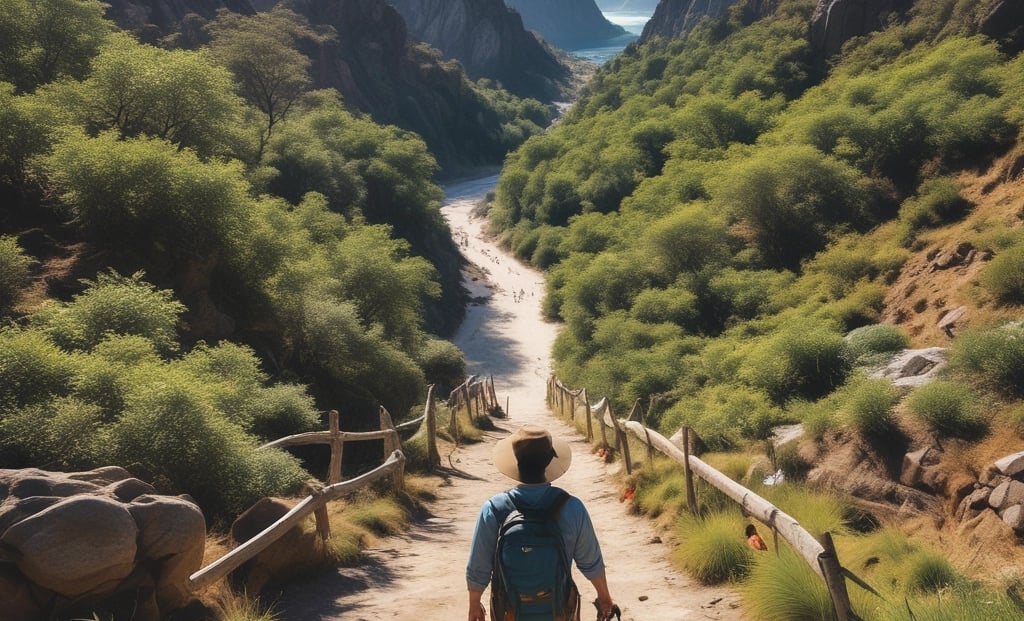
The Art of Decision-Making
Solo travel encourages individuals to hone their decision-making abilities in real time. When navigating unfamiliar territories, every traveler experiences the pressing need to make choices that can significantly affect their journey. For instance, when faced with the decision of which local cuisine to try, one must evaluate factors such as taste preferences, dietary restrictions, and reviews from fellow travelers. This necessity to choose strengthens one’s ability to assess options carefully, weighing the pros and cons of each choice.
Moreover, crafting an itinerary while traveling alone presents further opportunities to refine decision-making skills. Unlike traveling in groups, solo travelers often have absolute freedom to set their schedules. This independence requires the traveler to prioritize activities based on personal interests, available time, and energy levels. For example, a solo traveler may decide to spend an afternoon exploring a local market instead of visiting a museum. This decision not only reflects personal preference but also enhances the traveler's capacity to adapt plans based on spontaneous desires, ultimately leading to a more fulfilling experience.
Effective time management is another critical aspect that improves through solo travel. The responsibility of planning travel routes, booking accommodations, and ensuring timely arrivals at each destination can be daunting. However, dealing with unexpected delays, such as a missed train, cultivates the ability to think quickly and develop alternative solutions. One might consider using a local taxi service or finding a nearby attraction to visit while waiting for the next transport option.
In essence, the challenges inherent in solo travel serve as a practical workshop for mastering the art of decision-making. By continuously evaluating options and adapting to new situations, travelers enhance their ability to make informed choices—an essential skill, not only on the road but also in everyday life.
Building Self-Trust Through Travel
Traveling solo represents a unique opportunity for personal growth and self-discovery. When individuals embark on a journey alone, they are thrust into unfamiliar environments where they must depend solely on themselves for navigation, decision-making, and problem-solving. This experience inherently fosters self-trust, as each challenge faced during the voyage becomes a building block of confidence and resilience.
A significant aspect of this journey involves stepping out of one’s comfort zone. Solo travelers often encounter situations that demand quick thinking and adaptability. Whether it is ordering a meal in a different language or finding accommodation in an unknown city, these daily tasks require participants to trust their instincts and capabilities. Each successful resolution reinforces a sense of self-reliance, gradually solidifying the traveler’s belief in their abilities.
Consider the story of a traveler who, upon arriving in a new country, realized they misplaced their phone. Initially overwhelmed, they had to navigate public transportation and find a local shop to purchase a new one without language assistance. Through this challenging experience, they began to rely on creative problem-solving and improvisation. The incident, while stressful at the moment, ultimately became a significant lesson in self-trust and capability.
Moreover, the solitude of solo travel provides uninterrupted time for introspection. Being alone allows for a deep dive into one's thoughts, feelings, and aspirations, promoting self-reflection. This quiet reflection often leads to insights about personal strengths and weaknesses, further enhancing the ability to trust oneself in various scenarios.
In summation, traveling alone is more than just a physical journey; it is a powerful catalyst for building self-trust. By confronting the unknown and stepping outside their comfort zones, individuals not only discover new places but also unveil layers of confidence within themselves. This profound experience results in a lasting ability to rely on one’s judgment, thereby enriching their overall life journey.
Enhancing Problem-Solving Skills
Solo travel presents myriad opportunities to enhance problem-solving skills through real-world challenges. From unexpected flight cancellations to navigating foreign cities with unfamiliar languages, the hurdles encountered during solo travel require travelers to think critically and adapt swiftly. These circumstances compel individuals to step outside their comfort zones and confront obstacles head-on, fostering resilience and resourcefulness in novel environments.
For instance, when faced with a missed connection due to a delayed flight, solo travelers must evaluate their options. They may need to communicate effectively with airline staff, explore alternative travel routes, or even rearrange accommodations on the fly. Engaging in such scenarios polishes the ability to analyze problems, weigh potential solutions, and decide on the best course of action efficiently.
Additionally, language barriers often serve as a prominent challenge. Whether it is ordering food, asking for directions, or seeking assistance, the lack of a common language can be daunting. Here, travelers must rely on non-verbal communication, undergo trial and error, and utilize mobile translation tools to bridge the gap. This not only enhances cognitive flexibility but also nurtures patience and empathy as travelers learn to appreciate how individuals overcome communication hurdles worldwide.
The act of resolving these issues, regardless of their scale, imparts valuable life lessons. Through problem-solving, solo travelers may discover new ways to approach difficulties in everyday life, translating this newfound capability into their personal or professional endeavors. Ultimately, the challenges faced during solo travel enable individuals to cultivate a toolkit of skills, preparing them to tackle future obstacles with confidence, creativity, and composure.
The Importance of Patience
Solo travel inherently encourages individuals to cultivate patience, as they frequently encounter situations that challenge their ability to remain calm and composed. Time spent waiting for public transportation, adjusting to delayed itineraries, or negotiating language barriers can test one's resilience. These experiences compel travelers to embrace the unpredictability that often accompanies exploration. By recognizing that not everything will unfold as planned, solo travelers can gradually learn to appreciate the value of patience.
In today's fast-paced world, the ability to pause and observe can be a rare and valuable skill. Solo travel offers myriad opportunities to practice mindfulness through conscious engagement with one's surroundings. For instance, a traveler waiting at a bustling train station might take the time to observe local customs or strike up a conversation with a stranger. This mindset shift allows them to see delays not as nuisances but as chances to collect moments and experiences, thus enhancing the richness of their journey.
Techniques for fostering a patient mindset during travel can be beneficial. Mindfulness practices such as deep breathing, meditation, or journaling can help travelers focus on the present while reducing stress and anxiety. Incorporating intentional pauses into travel itineraries, allowing extra time between activities, can create space for reflection as well. Accepting that some events may occur beyond one’s control not only reinforces patience but ultimately leads to more enjoyable and fulfilling travel experiences.
Reflecting on the benefits of slowing down unveils deeper lessons that can significantly enrich one’s life. Patience acquired during solo travel can translate seamlessly into everyday life, promoting greater emotional resilience and improved interpersonal relationships. Ultimately, embracing patience on the road fosters a deeper appreciation for the journey itself, transforming each experience into a valuable lesson.
Cultivating Gratitude on the Road
Traveling independently offers unique opportunities to experience and appreciate the world around us in a profound way. When embarking on a solo journey, individuals often find themselves immersed in unfamiliar cultures and breathtaking landscapes, which grants them a fresh perspective on life. This immersive experience can lead to a deeper sense of gratitude for not just the journey itself, but also for the everyday aspects of life we might take for granted.
One of the significant lessons of solo travel is the joy found in simplicity. Whether enjoying local cuisine, marveling at historical architecture, or savoring a stunning sunset, solo travelers learn to appreciate moments that might otherwise be overlooked. These experiences enhance one's ability to cultivate gratitude, as travelers begin to recognize the richness inherent in everyday activities. The small joys of life, whether it’s sharing a smile with a stranger or discovering a hidden gem in a bustling market, become more pronounced on the road.
Furthermore, disengaging from the familiar comforts of home fosters reflection and encourages travelers to recognize their privileges. This awareness often deepens one’s appreciation for the diverse cultures encountered. Engaging with locals and understanding their way of life can evoke empathy, highlighting the significance of different traditions and perspectives, thereby enriching one's gratitude for one's own background. As solo travelers navigate these experiences, they cultivate an appreciation for diversity and the unique narratives that every culture offers.
Ultimately, solo travel not only presents a chance for adventure but also serves as a catalyst for gratitude. This form of exploration compels individuals to embrace the present moment and savor the richness of their surroundings, leading to personal growth and a more profound respect for life’s simple pleasures.
Emerging Stronger and Calmer
Solo travel offers individuals a unique opportunity for self-discovery and personal growth. Facing the challenges of navigating unfamiliar environments alone can lead to increased resilience. Travelers often find themselves in situations that initially provoke anxiety or uncertainty, such as getting lost in a new city or overcoming language barriers. These experiences not only require adaptive problem-solving but also encourage individuals to trust their instincts. As they successfully navigate these challenges, they emerge with a newfound confidence.
Moreover, the solitude of solo travel allows for introspection and self-reflection. Time spent alone facilitates a deeper understanding of one’s thoughts and emotions. Free from the distractions of daily life, travelers can reflect on their values, goals, and aspirations. This time for contemplation can lead to clarity and a sense of inner peace, enabling travelers to return home with a calmer mindset.
Additionally, solo travel provides a unique perspective on the importance of emotional regulation. When facing inevitable stressors on the road, such as missed flights or cultural misunderstandings, individuals learn to manage their reactions. Developing coping mechanisms during these moments is crucial for emotional resilience. As travelers adapt and learn from these experiences, they build a toolkit for handling similar situations in their everyday lives.
In conclusion, the transformative learning experiences inherent in solo travel nurture both resilience and tranquility. Emerging from solitary journeys, many individuals find they are better equipped to handle life's complexities. Through challenges faced and solutions discovered, solo travelers inevitably grow stronger and calmer, empowering them upon their return to normalcy.
Becoming More Self-Aware
Embarking on a solo travel adventure offers an unparalleled opportunity for self-discovery and reflection. In the midst of new surroundings and experiences, individuals can delve into their thoughts and emotions, fostering a deeper understanding of their inner selves. Solitude often encourages a quiet exploration of one’s desires, values, and life goals, leading to increased self-awareness.
During solo travel, the absence of familiar voices and the external noise of daily life creates a setting conducive to introspection. Engaging with one’s surroundings, whether it be through journaling about experiences or meditating in a serene locale, allows for a more profound contemplation of personal aspirations. Practicing mindfulness while on the road can significantly enhance this journey, focusing on being present in the moment and acknowledging feelings as they arise.
Additionally, solo travelers often encounter situations that challenge their comfort zones. Navigating unfamiliar cultures, managing logistics without assistance, and facing unforeseen challenges require adaptability and critical thinking. These experiences not only cultivate resilience but also hold up a mirror to personal strengths and weaknesses. Reflecting on such moments enables individuals to identify their preferences and aversions, further enriching their self-awareness.
Moreover, solo travel provides the chance to assess the significance of relationships and connections in one’s life. Time alone may prompt travelers to consider what they value in friendships and family, leading to a reevaluation of relationships that may no longer align with their evolving self. Ultimately, as individuals embrace the solitude of travel, they develop a clearer sense of identity and purpose, equipping them with valuable insights that extend far beyond the journey itself.
Disclaimer-Travel Alone With Me shares travel experiences and information for general guidance only. Prices, availability, and details may change and should be verified with service providers. We are not a booking agent and are not responsible for third-party websites or services. Use of this site is at your own discretion.
© 2026 Travel alone with me All rights reserved.
Contact Us
Have questions or stories? Reach out anytime—we'd love to hear from you.
Send us a message: